If you are following news about federal financial assistance, you may have heard about a $2,000 payment linked to the start of the new year. While this proposal has sparked significant interest, it is vital to understand the current status of these funds and how the distribution process works. This guide breaks down everything you need to know about potential eligibility and how to stay ready for upcoming federal benefits.
Table of Contents
Understanding the $2,000 Federal Payment Proposal
The discussion surrounding a $2,000 payment for January 2026 stems from recent economic proposals aimed at providing relief to low and middle income households. Some of these plans suggest using tariff revenues to fund a dividend or rebate check for citizens. It is important to note that as of today, December 31, 2025, this specific $2,000 amount remains a proposal that would require final legislative approval before the IRS or other agencies can begin sending money to bank accounts.
Who Qualifies for Future Federal Relief
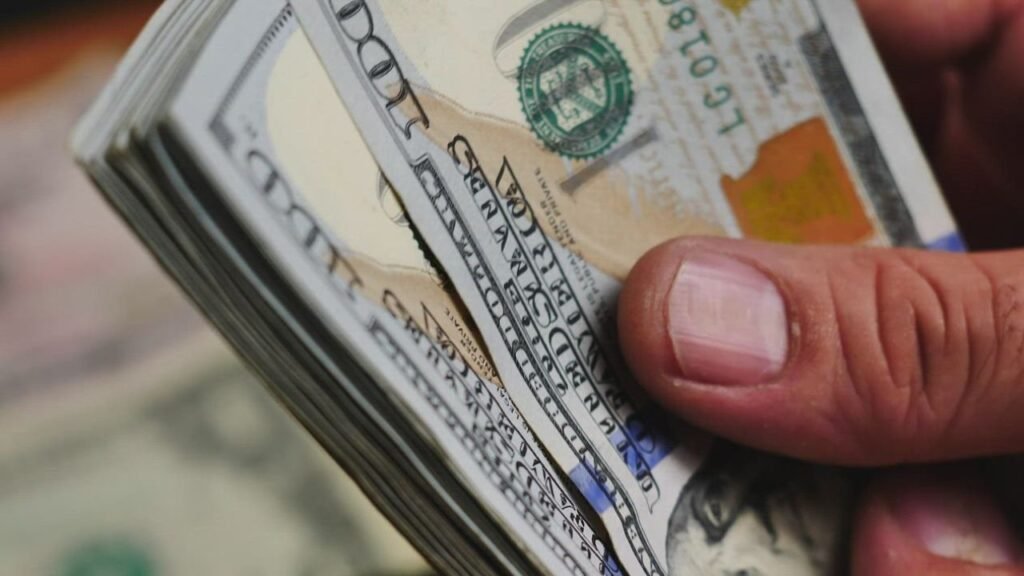
Eligibility for one-time federal payments is typically determined by your tax filing history and income levels. If a $2,000 payment program is finalized, the government will likely use your most recent tax return to decide if you qualify. Based on previous relief programs, certain groups are often prioritized to ensure the money reaches those who need it most.
- Individuals with an adjusted gross income below specific limits set by Congress.
- Seniors receiving Social Security retirement or disability benefits.
- Veterans and their beneficiaries who are already in the federal system.
- Families with qualifying dependents who may be eligible for additional amounts.
- U.S. citizens and legal residents with a valid social security number.
How to Track and Receive Your Payments
When federal payments are issued, the delivery method depends on the information the government has on file for you. Direct deposit remains the most efficient way to receive funds, usually arriving within days of the payment date. If you do not have a bank account linked to the IRS or Social Security Administration, you would likely receive a paper check or a prepaid debit card through the mail.
| Payment Method | Typical Delivery Timeline | Security Level |
| Direct Deposit | 1 to 7 Business Days | Very High |
| Paper Check | 2 to 4 Weeks | Moderate |
| Prepaid Debit Card | 3 to 4 Weeks | High |
Essential Steps to Protect Your Information
As talk of $2,000 payments grows, so does the risk of scams. Legitimate federal agencies will never contact you via text or social media to ask for your bank details or a processing fee. To ensure you are ready for any authorized payments in 2026, you should log into the official portals for the IRS or Social Security Administration to verify that your mailing address and banking information are correct.
Managing Missing or Delayed Funds
If a payment is officially sent but does not appear in your account, there are standard procedures to follow. Most agencies recommend waiting at least three weeks for mailed checks before starting a formal trace. If your direct deposit fails due to an incorrect account number, the bank will usually return the funds to the government, which then triggers a paper check to be mailed to your last known address.