The yearly tradition of shifting our clocks continues to be a major topic of conversation as we move through 2026. For many, the end of Daylight Saving Time is a welcome event because it typically means gaining an extra hour of rest. However, this transition also signals the arrival of shorter days and earlier sunsets as we head toward the winter months. To stay ahead of the change, it is important to know exactly when to adjust your timepieces and how to prepare your body for the shift.
While the concept of changing clocks has been around for over a century, the way we manage it in our modern, digital world has evolved. Most of our smartphones, computers, and smart appliances handle the update automatically, but manual clocks in your home or car will still need your attention. Understanding the timing and the reasons behind this practice can help make the transition much smoother for you and your family.
Table of Contents
When Does Daylight Saving Time End in 2026?
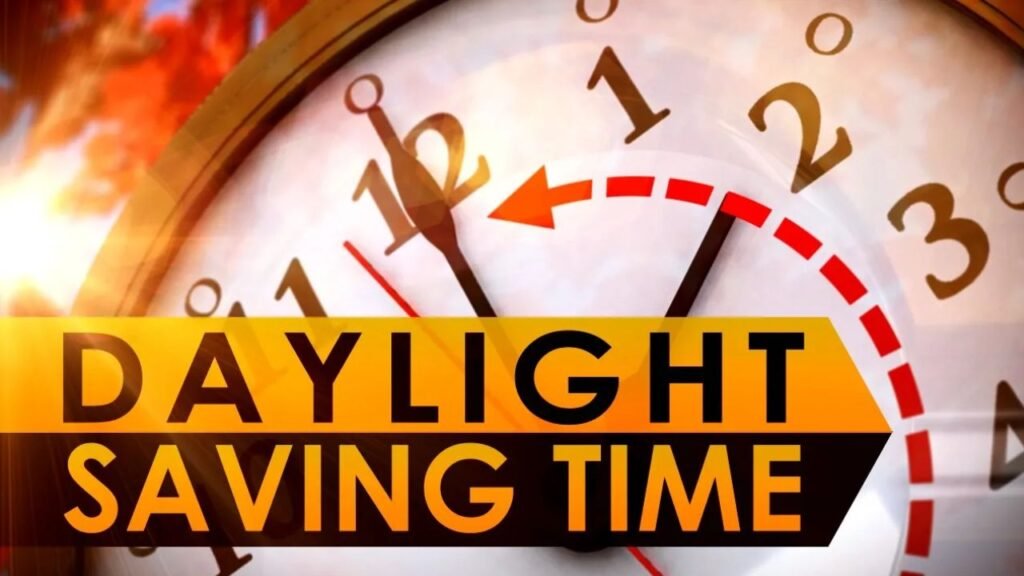
For those living in the United States, Daylight Saving Time 2026 is scheduled to end on Sunday, November 1, 2026. At exactly 2:00 a.m. on that Sunday morning, clocks will move back by one hour to 1:00 a.m. local time. This shift marks the official return to standard time for the majority of the country.
This specific change is widely known as falling back. By moving the clock back, we effectively move an hour of daylight from the evening into the morning. While this makes early commutes brighter, it does mean that the sun will set much earlier in the afternoon. Most people choose to reset their manual clocks on Saturday night before going to bed to ensure they wake up on the correct time.
Why We Still Use Daylight Saving Time
The primary goal of Daylight Saving Time has historically been to make better use of natural sunlight. By shifting the clocks, the idea was to align waking hours with the sun to save on energy costs for lighting and to encourage people to spend more time outdoors. Although it was first popularized during the world wars to conserve fuel, it has remained a part of the annual calendar in many nations.
In the modern era, the benefits are often debated. Critics argue that energy savings are minimal with today’s technology, while supporters enjoy the extra evening light during the spring and summer. Regardless of the ongoing political debates about ending the clock change permanently, the current system remains in place for 2026, requiring us to stay mindful of the November transition.
How the Time Change Impacts Your Health
To minimize the impact, experts suggest spending time outdoors in the natural morning light immediately following the change. This helps reset your internal clock more quickly. Maintaining a consistent bedtime and reducing screen time before sleep can also help your brain adjust to the new standard time schedule without feeling sluggish.
Important Tips for a Smooth Transition
Preparing for the end of Daylight Saving Time involves more than just moving the hands on a clock. It is a great opportunity to handle a few seasonal chores around the house that keep your home safe and organized. Taking a few proactive steps in the days leading up to November 1 can save you from confusion or missed appointments.
- Gradually shift your bedtime by 15 minutes each night starting a few days early.
- Use the clock change as a reminder to replace the batteries in your smoke and carbon monoxide detectors.
- Check the clocks on your microwave, oven, and older car models that do not update via GPS.
- Plan for earlier darkness by checking your outdoor security lights or car headlights.
- Take advantage of the brighter mornings to get some fresh air and sunlight.
2026 Clock Change Schedule at a Glance
| Event | Date | Action | Time |
| DST Starts 2026 | March 8, 2026 | Spring Forward (Lose 1 Hour) | 2:00 a.m. |
| DST Ends 2026 | November 1, 2026 | Fall Back (Gain 1 Hour) | 2:00 a.m. |
| DST Starts 2027 | March 14, 2027 | Spring Forward (Lose 1 Hour) | 2:00 a.m |