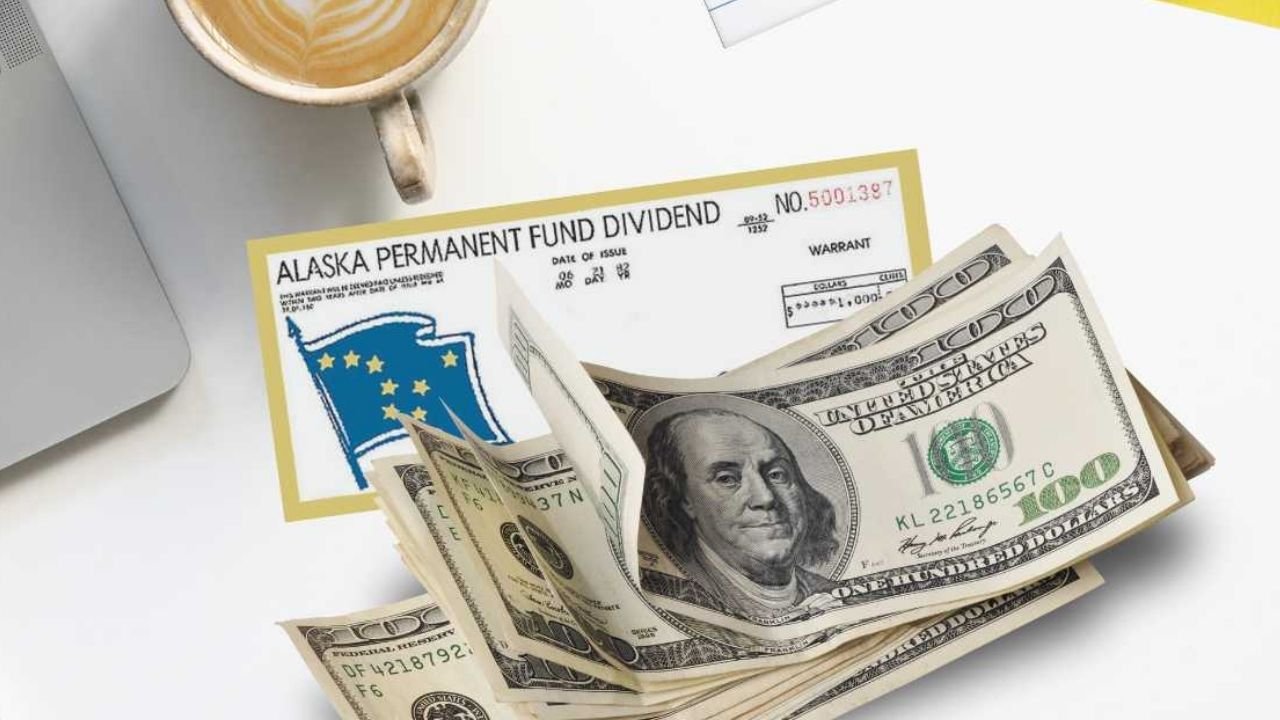
The transition from traditional paper checks to digital payments has reached a new phase this year. For several months, the government emphasized a strict deadline to end the mailing of physical checks for federal benefits. However, as we move through January 2026, the Social Security Administration and the U.S. Treasury have introduced a more flexible approach. While the push for electronic payments continues, new guidelines ensure that vulnerable citizens are not left behind during this modernization effort.
Table of Contents
Understanding the Shift Toward Digital Payments
The move to eliminate paper checks is driven by a desire to make federal benefits faster and more secure. Electronic payments reach bank accounts instantly, which removes the risk of a check being lost in the mail or stolen from a porch. Government data suggests that physical checks are much more likely to be tampered with compared to direct deposits. By moving toward a digital system, the agency also saves millions of dollars each year on paper, printing, and postage costs.
The Reality of the Paper Check Phase Out
Last year, the government set a target date of September 30, 2025, to stop most paper check distributions. This was part of a broader plan to modernize how money moves from the government to citizens. Since that date has passed, the vast majority of recipients now receive their funds through direct deposit or a prepaid debit card. However, officials have recognized that a total ban on paper checks would create significant hardships for some groups.
Who Can Still Receive a Physical Check
The current policy allows for certain exceptions. The government has softened its stance to help those who face genuine barriers to digital banking. If you fall into one of the following categories, you may still be able to receive your monthly benefit through the mail.
- Senior citizens who have significant difficulty using computers or mobile apps.
- Individuals living in remote or rural areas with limited internet access or no nearby banks.
- People who do not have a traditional bank account and cannot use a debit card.
- Beneficiaries with disabilities that make managing electronic accounts difficult.
- Residents in areas where physical mail remains the most reliable form of communication.
Electronic Payment Options for 2026
For those who are ready to make the switch, the government provides two main paths. Both options ensure that your money is available on the scheduled payment date without any extra trips to the bank.
| Payment Method | How it Works | Best For |
| Direct Deposit | Money is sent straight to your personal checking or savings account. | People with existing bank accounts. |
| Direct Express Card | A prepaid Mastercard where your benefits are loaded each month. | People without a bank account. |
| Paper Check | A physical check mailed to your home address via the USPS. | People with approved waivers or special needs. |
Steps to Take if You Want to Keep Paper Checks
If you still receive a paper check and want to ensure it continues, you should be proactive. The government is not cutting off benefits, but they are encouraging everyone to file for an official waiver if they cannot go digital. You can contact the U.S. Treasury or call the Social Security Administration to explain your situation. Requesting a waiver now will help prevent any future interruptions and ensure the agency understands your specific needs for a physical check.