Many Americans are keeping a close eye on their mailboxes and bank accounts as the new year begins. While monthly checks are still arriving on time, a sense of unease is growing among those who rely on these funds. Recent reports suggest that while the program is not going away, the trust funds that support it are facing significant financial pressure. As we move through January 2026, understanding the current state of your benefits and the potential for future changes is more important than ever.
Table of Contents
The Reality of the Social Security Trust Fund Status
It is common to hear rumors that Social Security is going bankrupt, but the situation is more nuanced. The program is largely funded by payroll taxes from current workers, which means it will always have some level of income. However, the specific reserves used to pay out full retirement benefits are shrinking. Experts estimate that the retirement trust fund could be depleted as early as 2032 or 2033 if no changes are made by lawmakers. This does not mean payments will stop entirely, but it could lead to a situation where the agency can only pay about 77% of what was originally promised to retirees.
Impact of Potential Benefit Reductions
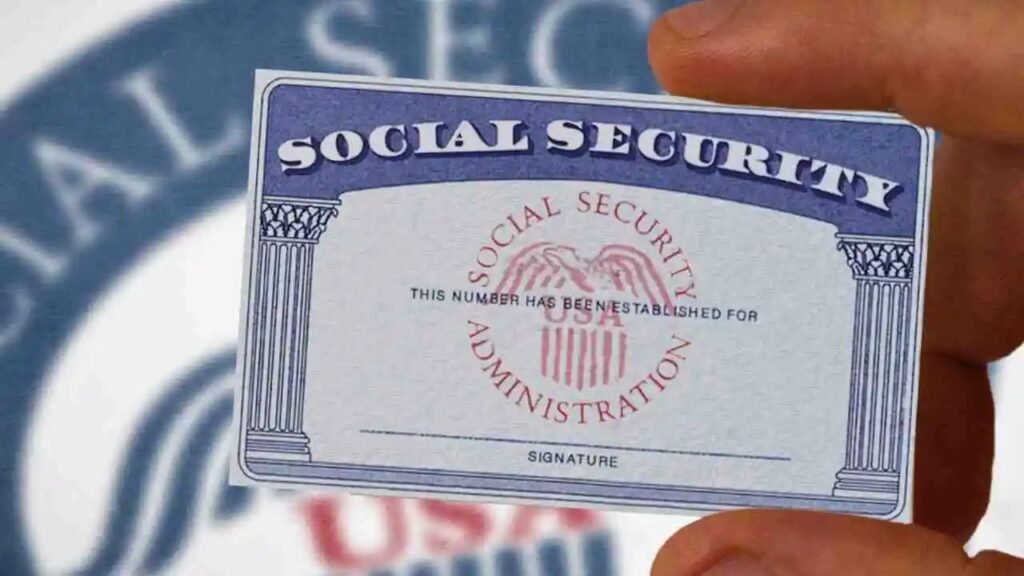
The idea of a 23% or 24% cut to monthly checks is a major concern for households on a fixed income. Research from financial groups suggests that a typical retired couple could see their annual income drop by more than $18,000 if an automatic cut occurs in the next decade. These projections are causing many people to rethink their long term plans. Some are choosing to work a few years longer, while others are trying to boost their personal savings in accounts like an IRA or 401(k) to create a safety net.
Social Security Payment Schedule for Early 2026
Despite the long term concerns, the immediate payment schedule remains consistent. In 2026, the Social Security Administration continues to send out payments based on your birth date. If you receive Supplemental Security Income, those payments follow a slightly different timeline. For those receiving retirement benefits, the checks generally arrive on the second, third, or fourth Wednesday of the month.
| Recipient Birthday | January 2026 Payment Date | February 2026 Payment Date |
| 1st through 10th | January 14, 2026 | February 11, 2026 |
| 11th through 20th | January 21, 2026 | February 18, 2026 |
| 21st through 31st | January 28, 2026 | February 25, 2026 |
| SSI Recipients | January 30, 2026 | February 27, 2026 |
Planning for a Secure Retirement in Changing Times
Since the future of the trust funds depends on decisions made in Washington, many people are taking steps now to protect their financial health. Staying informed is the first step toward a more stable retirement.
- Check your Social Security statement online to see your estimated future benefits.
- Consider delaying your claim if you are healthy and able to work, as this increases your monthly amount.
- Look for ways to lower your monthly expenses to make your current checks go further.
- Speak with a financial advisor to explore investment options that are not tied to federal programs.
- Monitor news about the full retirement age, which is gradually rising to 67 for younger workers.
Important Updates for the 2026 Tax Year
There is a small bit of positive news for seniors this year. A new tax deduction has been introduced for the 2026 tax year that could help many people keep more of their Social Security income. Eligible individuals who are 65 or older may be able to deduct up to $6,000 from the benefit amount they report on their federal taxes. This change is intended to provide some relief as other costs, like Medicare premiums, continue to climb.