The annual tradition of adjusting our clocks is approaching once again. As we move through 2026, many people are looking ahead to the end of Daylight Saving Time and wondering exactly when they need to reset their watches. This practice, often referred to as falling back, marks the transition from the long days of summer into the shorter, crisper days of late autumn and winter. While most modern devices handle the change automatically, understanding the timing and the impact on your health can help you navigate the transition smoothly.
Table of Contents
When to Set Your Clocks Back in 2026
In the United States, Daylight Saving Time for 2026 will officially conclude on Sunday, November 1. At precisely 2:00 a.m. local time, clocks will be moved back by one hour to 1:00 a.m. This shift marks the return to standard time across the majority of the country. Because the change happens in the middle of the night on a weekend, most people experience it as gaining an extra hour of sleep before they start their Sunday activities.
While gaining an hour sounds like a luxury, it does come with a trade-off. The most immediate change you will notice is that the sun will set much earlier in the evening. This can make the transition feel quite abrupt, as your commute home from work or school may suddenly take place in the dark. Conversely, the mornings will be brighter for a period of time, which can be helpful for those who start their day early.
The History and Purpose of Changing the Time
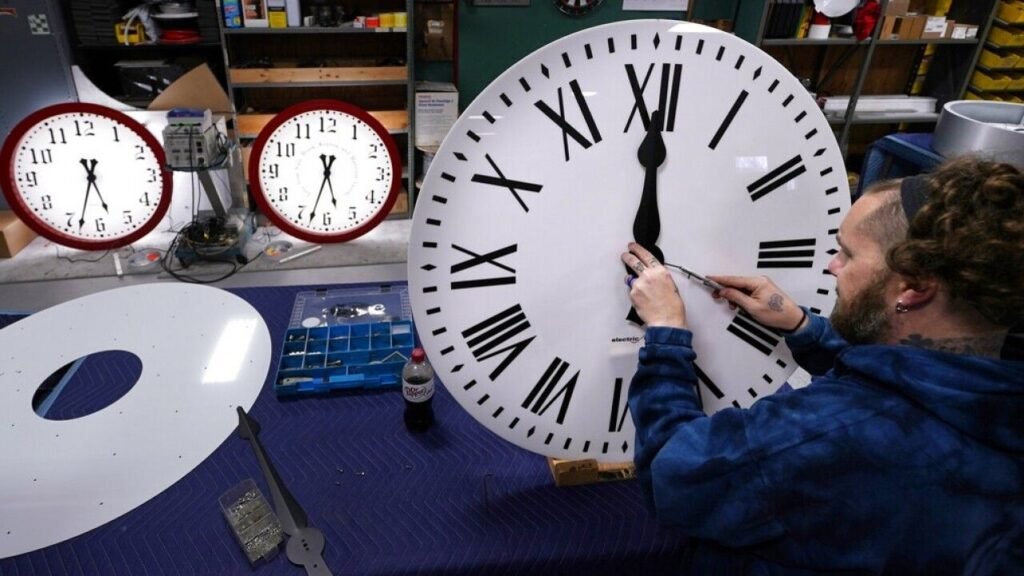
The concept of Daylight Saving Time was originally designed to make better use of natural sunlight. By shifting the clocks, the goal was to align waking hours with daylight hours, theoretically reducing the need for artificial lighting and saving energy. Although Benjamin Franklin famously mentioned a similar idea in a satirical essay, the practice did not become a formal part of modern society until the early 20th century.
In the current era, the benefits of this practice are frequently debated. With the rise of energy efficient LED bulbs and our 24 hour digital economy, the original energy saving arguments have less impact. Some studies suggest that the shift can actually lead to a slight increase in energy use for heating or air conditioning. Despite these debates, the system remains in place for 2026, requiring millions of households to prepare for the biannual adjustment.
How the Time Change Affects Your Daily Routine
A one hour shift might seem minor, but it can significantly impact your internal body clock, also known as your circadian rhythm. This internal system relies on light cues to tell you when to wake up and when to sleep. When the sun starts setting earlier, your body may begin to feel tired much sooner than usual. This shift can affect everything from your appetite to your productivity levels during the work week.
| Aspect of Life | Impact of Falling Back | Suggested Adjustment |
| Sleep Pattern | You gain one hour of sleep | Go to bed at your usual time |
| Morning Light | Sunrise occurs earlier | Open blinds early to wake up |
| Evening Light | Sunset occurs much earlier | Increase indoor lighting in the evening |
| Commute | Darker evening driving conditions | Stay alert for pedestrians and wildlife |
| Mood | Potential for seasonal fatigue | Spend time outdoors during midday |
Simple Ways to Prepare for the Transition
Adjusting to a new schedule does not have to be a difficult process. By taking a few proactive steps in the days leading up to November 1, 2026, you can help your body and your home stay in sync. Most people find that a gradual approach is much more effective than trying to change everything in a single night.
- Gradually shift your bedtime by 15 minutes each night during the final week of October.
- Ensure you get plenty of natural sunlight during the day to help reset your internal clock.
- Check the batteries in your smoke detectors and carbon monoxide alarms while you are updating your manual clocks.
- Update the time on your microwave, oven, and car dashboard, as these rarely update themselves.
- Plan for a relaxing Sunday to allow your body to fully enjoy the extra hour of rest.
Managing the transition into standard time is mostly about giving yourself grace and time to adjust. While the earlier sunsets can be a bit of a shock, the extra hour of rest is a welcome benefit for many. By keeping these dates and tips in mind, you can ensure that the end of Daylight Saving Time in 2026 is a seamless experience for you and your family.