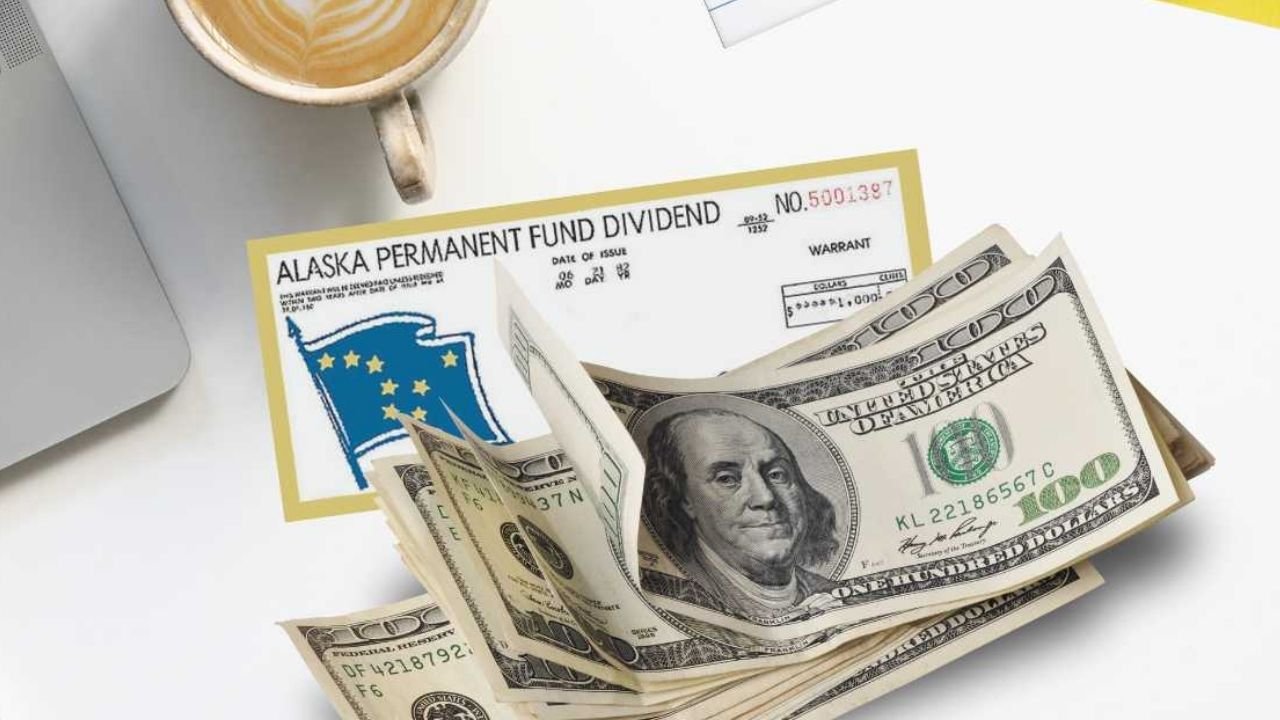
The U.S. government is adjusting its approach regarding the transition from physical checks to digital payments for federal benefits. While there has been a significant push to modernize the payment system, officials have recognized that a strict cutoff date might not work for everyone. Instead of a hard stop, the Social Security Administration and the U.S. Treasury are now offering more flexibility to ensure that millions of retirees and benefit recipients continue to receive their funds without interruption or stress.
Table of Contents
Understanding the Shift Toward Digital Payments
For quite some time, the Treasury has encouraged recipients of Social Security and other federal benefits to move away from paper checks. The primary motivation behind this shift is efficiency and security. Electronic payments are significantly more reliable than mail, which can be subject to delays or theft. Currently, the vast majority of beneficiaries have already made the switch, with nearly 99.4% of people receiving their money through electronic means.
The government prefers digital methods because they are roughly 16 times safer than paper checks. Additionally, the transition saves the taxpayer millions of dollars every year by eliminating the costs associated with printing, handling, and postage. While the goal remains to have as many people as possible on digital platforms, the focus has shifted from strict enforcement to a more supportive transition process.
Why the Strict 2025 Deadline is Changing
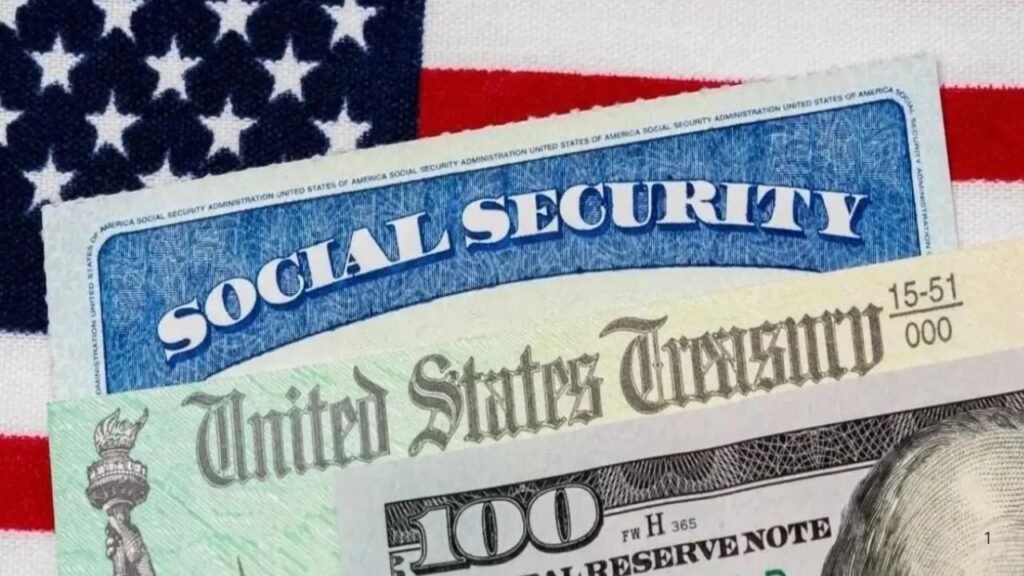
Originally, a firm deadline of September 30, 2025, was set as the final date for mailing out paper checks. This was part of a broader initiative titled Modernizing Payments to and From America’s Bank Accounts. However, as that date approached, many citizens and advocacy groups raised concerns about the impact on vulnerable populations.
In response to this feedback, the Social Security Administration has softened its stance. Rather than ending all paper checks abruptly, the government is allowing for exemptions. This move ensures that those who are not tech savvy or do not have access to modern banking tools are not left behind. The updated policy reflects a commitment to progress balanced with compassion for those who find the digital world difficult to navigate.
Who Can Still Receive Paper Checks
The government has identified several groups of people who may be eligible to continue receiving their benefits via the mail. If you fall into one of these categories, you may not be forced to switch to a digital method immediately.
- Seniors who are uncomfortable using computers or smartphones.
- Individuals living in rural areas with limited access to internet services.
- People who live in locations where there are no nearby bank branches.
- Beneficiaries who do not have a traditional bank account and prefer not to use debit cards.
- Individuals facing physical or mental challenges that make digital banking difficult.
Exploring Your Options for Receiving Benefits
If you are currently receiving a paper check, it is important to know that you have several choices moving forward. You can choose the method that best fits your lifestyle and comfort level.
| Payment Method | Best For | Main Benefit |
| Direct Deposit | People with bank accounts | Fastest and most convenient |
| Direct Express Card | People without bank accounts | Works like a standard debit card |
| Paper Check | People with special exemptions | Familiarity and ease of use |
| Electronic Transfer | Tech-savvy users | Instant access via mobile apps |
The government continues to promote the use of $0 cost digital transfers because they make the entire system more robust. However, the most important takeaway is that your benefits are secure. Whether you choose to embrace the new digital options or stick with the traditional paper method through an exemption, the priority is ensuring every American receives the money they have earned.