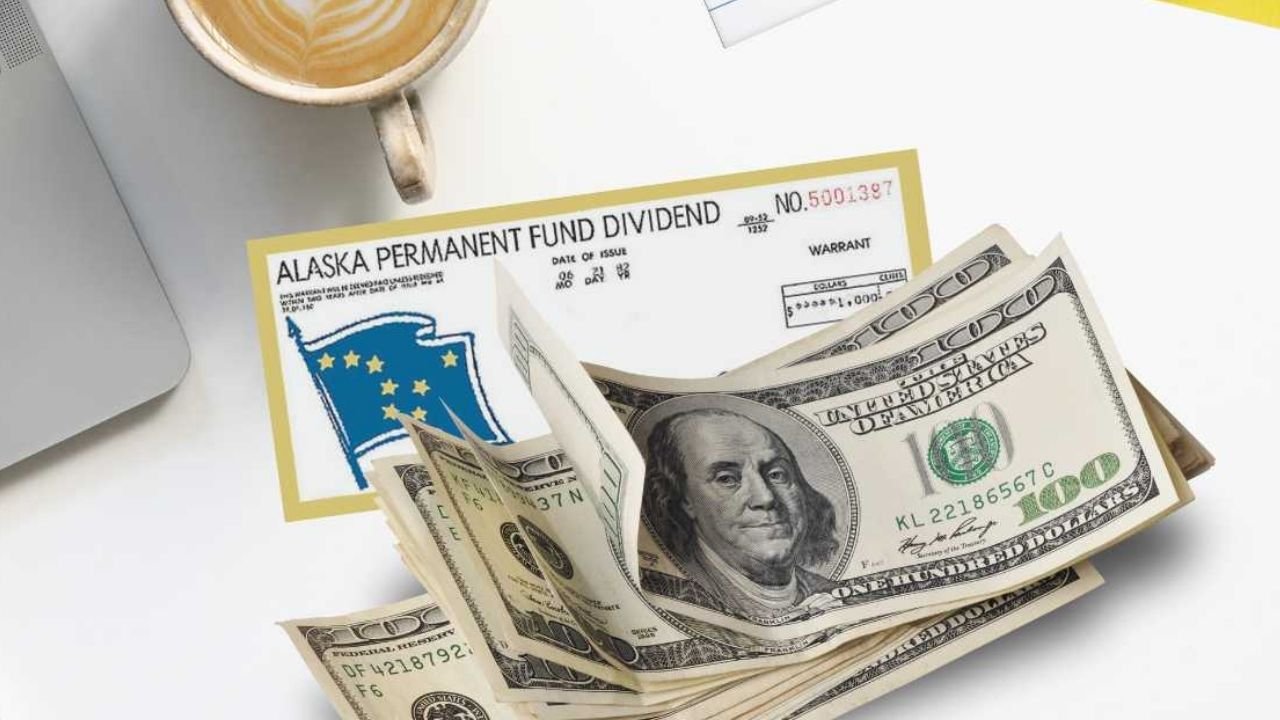
The conversation surrounding Social Security benefit delivery has changed dramatically over the last few months. Originally, the federal government set a firm deadline to eliminate paper checks entirely, aiming for a fully digital system by late 2025. This move was intended to streamline the payment process and increase security for millions of retirees and disabled Americans.
However, recent updates from the Social Security Administration and the Treasury Department suggest a shift toward a more compassionate approach. While the goal remains to move as many people as possible to electronic payments, the government is now acknowledging that a strict cutoff may not work for everyone. This new strategy provides a safety net for those who are not yet ready to make the jump to digital banking.
Table of Contents
The Original Goal for a Digital Only Payment System
The push for a digital system began in early 2025 under a new executive order titled Modernizing Payments to and From America’s Bank Accounts. The government established September 30, 2025, as a critical date for phasing out physical mailings. By transitioning to electronic funds, officials hoped to eliminate the risks associated with the postal service and reduce the high costs of printing and shipping millions of checks every month.
Electronic payments are significantly more efficient for the Treasury. For every paper check printed, the government incurs costs for paper, ink, and postage, whereas a digital transfer costs only a fraction of that amount. Furthermore, digital payments provide instant access to funds, meaning beneficiaries do not have to wait for the mail or worry about a check being lost or stolen from their mailbox.
Why the Government Is Moving Toward a Softer Deadline
As the initial deadline approached, it became clear that a small but significant portion of the population still relies heavily on paper. Many seniors have used paper checks for decades and feel a sense of security holding a physical document. Additionally, residents in rural areas often face challenges such as limited internet access or a lack of nearby banking institutions.
In response to these concerns, the Social Security Administration has quietly adjusted its tone. Instead of a hard stop for everyone, the agency is now offering more flexibility. This means that while digital is the preferred method, the government is making it easier for vulnerable citizens to request exemptions. This change ensures that nobody is left without their vital benefits simply because they lack a smartphone or a bank account.
Benefits of Making the Switch to Electronic Payments
Even with the new flexible rules, the government continues to encourage citizens to switch to digital methods. The advantages of moving away from paper are numerous, especially for those living on a fixed income. When you receive your benefits electronically, you gain a level of predictability and safety that paper checks simply cannot match.
- Direct deposits are 16 times safer than paper checks according to recent safety data.
- You receive your money immediately on the scheduled payment date without waiting for mail delivery.
- Digital payments eliminate the risk of checks being stolen from mailboxes or lost in the post.
- Those without traditional bank accounts can use the Direct Express Card for easy access.
- The government saves millions of dollars in administrative costs which helps the overall program.
How to Handle Your Payments Moving Forward
If you are one of the few still receiving a check in the mail, you have several options to consider. For most, the easiest path is to set up a direct deposit with a local bank or credit union. If you prefer not to use a traditional bank, the Direct Express Card acts like a debit card and is specifically designed for federal benefit recipients.
For those who truly cannot transition, the option to remain on paper still exists through a waiver process. You can contact the Treasury Department or visit your local Social Security office to explain your situation. Whether it is due to a lack of technology or a physical disability that prevents using digital tools, the government is now more willing to accommodate these specific needs.
Quick Reference for Payment Options
| Payment Method | Best For | Main Advantage |
| Direct Deposit | People with bank accounts | Fastest and most secure |
| Direct Express Card | People without bank accounts | No bank history required |
| Paper Check | People with special exemptions | Physical and familiar |
| Digital Wallet | Tech savvy users | Mobile access to funds |