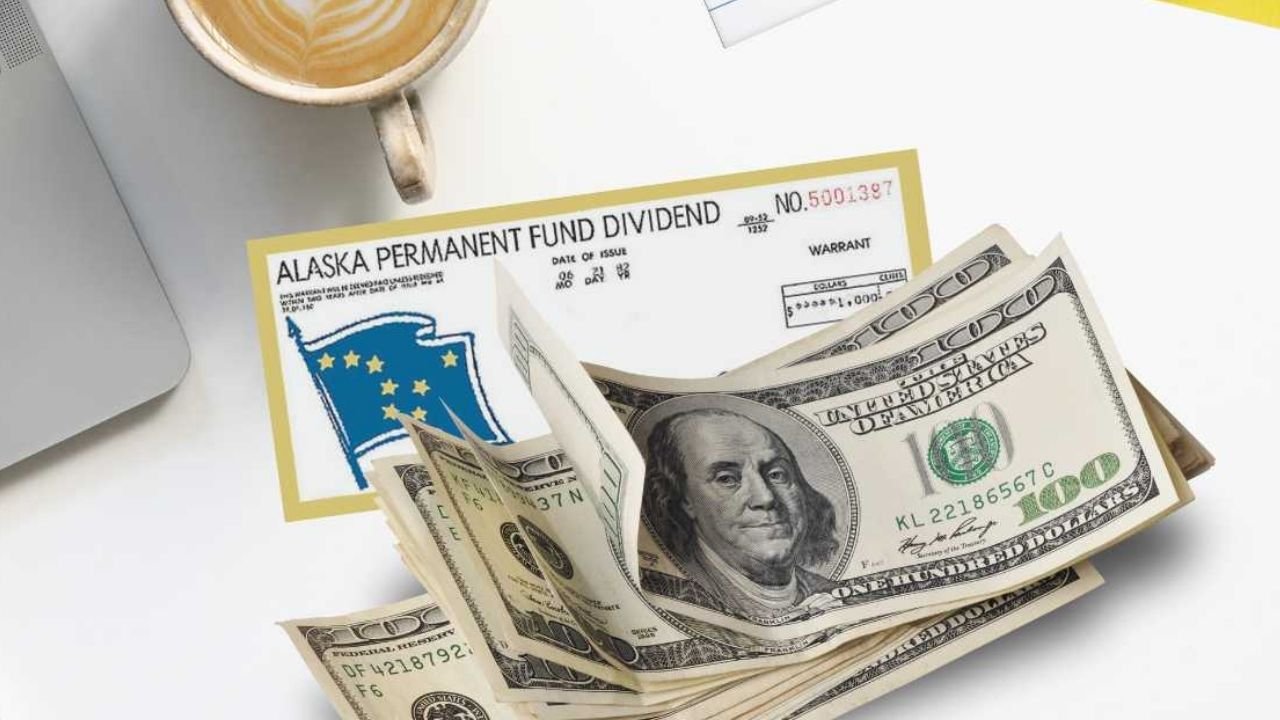
The long running debate over the future of paper benefit checks has taken a surprising turn. For months, millions of Americans were told that September 30, 2025, would be the final deadline for physical checks to arrive in their mailboxes. The government’s ambitious plan sought to move the country toward a fully digital payment system. However, as of December 29, 2025, officials have shifted their strategy. Instead of a hard cutoff, the government is now offering a more flexible approach that allows specific groups of people to continue receiving their benefits by mail.
Table of Contents
Why the Government Pushed for Digital Payments
The push toward electronic payments was not without reason. The U.S. Treasury and the Social Security Administration have highlighted that digital transfers are significantly more efficient than paper. Moving money through direct deposit or to a government issued debit card is roughly 16 times safer than sending a check through the post office. Physical checks are prone to being lost, stolen, or delayed by weather and logistics. Additionally, the government estimated that cutting out the printing and postage for these checks would save taxpayers nearly $750 million every year.
The Original 2025 Deadline and New Law
In early 2025, the transition was framed as a mandatory shift. This was part of a broader federal push titled Modernizing Payments to and From America’s Bank Accounts. The plan was for all federal disbursements, including Social Security, Veterans benefits, and even tax refunds, to be issued only via electronic funds transfer by the end of September. The administration used public service announcements and direct mailers to urge the roughly 500,000 people still using paper checks to sign up for direct deposit or a Direct Express card.
A Softer Approach for Vulnerable Beneficiaries
By the end of the year, the tone from federal agencies became notably more compassionate. Recognizing that a strict digital mandate could harm seniors and those in underserved areas, the government has quietly walked back the idea of a total ban on paper. While digital remains the preferred goal, exemptions are being granted for those who face legitimate hurdles. You may still be able to receive a paper check if you fall into one of these categories:
- Seniors who are not comfortable using computers or mobile banking apps.
- Individuals living in rural areas with unreliable internet or no nearby bank branches.
- People who do not own a smartphone or have a traditional bank account.
- Beneficiaries with disabilities that make managing digital accounts difficult.
What You Should Do If You Still Use Paper
If you currently receive a paper check, you do not need to panic. The government has not shut down the printing presses entirely. However, they still encourage everyone who is able to make the switch for their own security. If you have a bank account, you can sign up for direct deposit at any time. For those without a bank, the Direct Express card is a reliable option that works like a standard debit card. If you believe you truly cannot switch to digital, you can contact the Treasury’s payment center to discuss a hardship exemption that allows your paper checks to continue.
Looking Ahead to 2026 Benefits
As we move into 2026, the transition will continue at a slower, more deliberate pace. The government is focusing on education and community outreach rather than strict enforcement. It is also important to remember that all January 2026 benefits will include the new 2.8% cost of living adjustment. For those on Supplemental Security Income, this means your first check with the new amount is actually arriving today or tomorrow, as January’s payment is issued early due to the holiday.
Comparison of Digital vs Paper Payments
| Feature | Electronic Payments (Direct Deposit) | Traditional Paper Checks |
| Security | 16x safer from theft or loss | Higher risk of mail theft or loss |
| Speed | Funds available on payment day | Subject to mail delivery times |
| Cost | Free for the government and user | High printing and postage costs |
| Reliability | Not affected by weather or post | Can be delayed by postal issues |
| Accessibility | Requires bank or debit card | Only requires a mailbox |